1 Overview of Field Guide Mushrooms
Field guide mushrooms provide quick‚ portable identification tools for hikers․ They feature thumb‑style keys‚ look‑alike lists‚ and regional focus‚ enabling safe‚ on‑trail decisions before detailed lab‑style analysis with resources like Arora’s encyclopedia․ for beginners and seasoned foragers alike․!!!
2 Essential Foraging Guides
Essential foraging guides combinethumb references with look‑alike lists‚ ideal for trails․ The National Audubon Society guide offers portable keys‚ while regional guides refine local species․ After collection‚ detailed works like Arora’s help confirm identifications․ Seasonal tips aid safe harvestnow․
2․1 National Audubon Society Field Guide – Quick thumb reference for fast identification and lookalike lists․
The National Audubon Society Field Guide to American Mushrooms is a compact‚ pocket‑size companion that has become a staple for trail‑side foragers․ Its design centers on a “quick thumb” system: each species is represented by a single‚ bold thumbnail image that can be flipped through rapidly‚ allowing a user to match a specimen in the field without wading through dense text․ The thumbnails are arranged in a logical sequence—by cap shape‚ color‚ gill attachment‚ and spore print color—so that a mushroom’s most diagnostic traits are immediately visible․ In addition to the thumb images‚ the guide includes a concise‚ one‑page key that lists the most common look‑alike species for each thumbnail․ This dual approach reduces the risk of misidentification‚ especially for novices who may confuse edible species with toxic look‑alikes such as the deadly Amanita phalloides or the deceptively similar Lactarius species․ The guide’s pages are printed on durable‚ water‑resistant paper‚ and the cover is reinforced to withstand the rigors of backpacking․ A small‚ integrated pocket holds a plastic bag for collecting specimens‚ while a built‑in bookmark marks the last read page․ Many foragers report that the quick thumb reference allows them to make confident‚ on‑the‑spot decisions about whether to pick a mushroom‚ which is crucial for avoiding poisonous varieties․ For those who wish to go beyond the thumb‚ the guide offers a brief description of each species‚ including habitat‚ seasonal timing‚ and any notable culinary or medicinal uses․ The combination of visual immediacy‚ look‑alike warnings‚ and field‑ready durability makes the Audubon guide a top choice for anyone who wants a reliable‚ lightweight tool for mushroom hunting on the trail․ Its compact size‚ about 6․5 by 4 inches‚ fits in a backpack pocket‚ while color‑coded tabs aid quick navigation․ A small glossary helps newcomers understand key mycological terms․ The guide includes a spore‑print chart for verification today․
2․2 Quick Thumb Reference Features – Simple‚ portable‚ and ideal for trailside use․
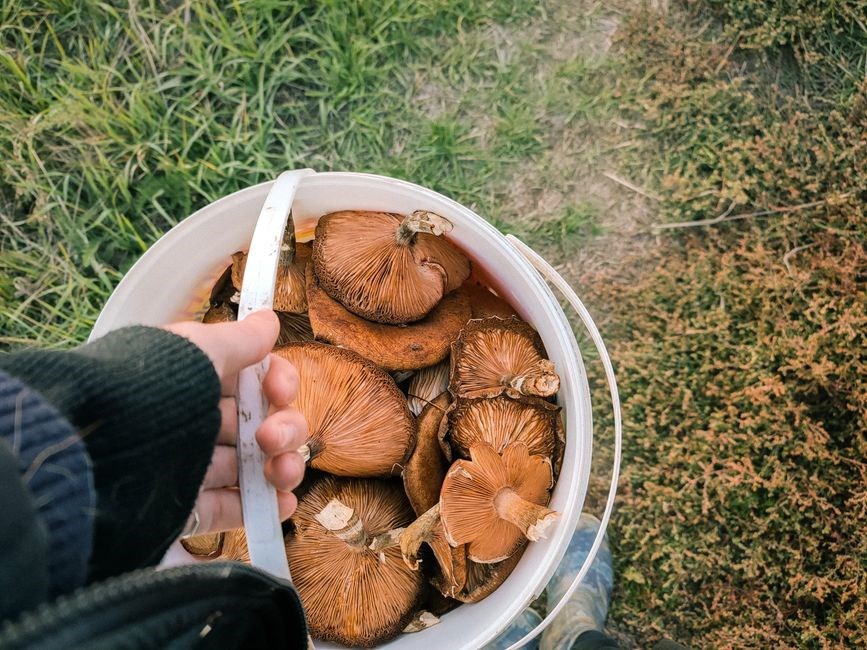
Quick thumb reference guides are engineered for speed and simplicity․ They present each species as a single‚ high‑contrast thumbnail that can be flipped through in seconds․ The thumbnails are arranged by key diagnostic traits—cap shape‚ color‚ gill attachment‚ spore print‚ and habitat—so that a forager can match a specimen without reading dense text․ The compact size (typically 6․5×4 inches) and lightweight paper make them easy to carry in a pocket or pack․ Many guides include a built‑in bookmark and a small pocket for specimen bags‚ allowing the user to mark progress and collect samples for later verification․ The color‑coded tabs and a one‑page quick‑look key provide instant cross‑checking against look‑alikes‚ reducing the risk of picking toxic species․ Because the information is visual and minimal‚ the guides are ideal for use in low‑light or windy conditions where reading a full field manual would be impractical․ They also pair well with a smartphone app or a more comprehensive book for post‑trail identification․ The simplicity of the design encourages beginners to engage with mycology‚ while seasoned foragers appreciate the rapid reference it offers during long hikes; Overall‚ quick thumb references combine portability‚ visual immediacy‚ and safety features to support confident‚ on‑the‑spot decision‑making in the wilderness․ Its compact design includes a detachable pocket for a field notebook‚ making it a companion for so mycologists․
3 Comprehensive Identification Resources
Comprehensive resources offer in‑depth keys‚ spore‑print guides‚ microscopic details‚ and extensive illustrations․ They enable post‑trail verification‚ support advanced taxonomy‚ and provide regional variations․ Ideal for serious mycologists seeking accuracy beyond quick thumb references for experts․ now!!??
3․1 Mushrooms Demystified by David Arora – Detailed encyclopedia‚ best used after collection for spore prints and microscopy․
David Arora’s Mushrooms Demystified is an encyclopedic reference most foragers use after collecting a specimen․ It offers detailed dichotomous keys‚ spore‑print instructions‚ microscopy notes‚ and photographs for more than 1‚200 species․ The book is organized by family‚ with concise descriptions‚ diagnostic features‚ and illustrations that highlight subtle differences․ Its index lets you search by common name‚ Latin name‚ or key trait․ Because of its depth‚ it’s impractical to carry on a hike; instead‚ hikers keep a quick‑reference guide for rapid decisions and bring the specimen home for a full ID․ Arora’s work is especially useful for confirming cryptic or rare species‚ as it includes chemical tests‚ ecological notes‚ and subtle field cues that simple guides often miss․ The spore‑print section explains how to lay a mushroom on paper‚ wait for the color to develop‚ and record the result‚ which is crucial for distinguishing many look‑alikes․ The microscopy chapter describes how to prepare a slide‚ what to look for in spore ornamentation‚ and how to interpret basidia and cystidia․ The book also includes a section on habitat and phenology‚ noting typical substrates‚ associated trees‚ and seasonal fruiting times‚ which help narrow down possibilities before microscopic confirmation․ Additionally‚ Arora provides a glossary of mycological terms and a bibliography for further reading‚ making it a resource for students and educators alike․ Its clear layout and systematic approach make it a favorite among amateur and professional mycologists!
3․2 Roger Phillips Mushrooms and Other Fungi – Comprehensive North American guide with many illustrations․
Roger Phillips’s Mushrooms and Other Fungi is a staple for North American mycologists and hobbyists alike․ The book covers more than 1‚200 species‚ offering richly colored photographs‚ detailed line drawings‚ and concise descriptions that emphasize key diagnostic features․ Its layout follows a logical progression from habitat and ecology to macroscopic characteristics‚ making it easy to scan while on the trail․ The guide includes a comprehensive look‑alike list for each genus‚ helping readers avoid common misidentifications․ Phillips also provides practical field tips‚ such as how to take spore prints‚ interpret gill attachment‚ and assess cap texture․ The book’s index allows quick lookup by common name‚ Latin name‚ or trait‚ and its appendix lists regional variants and synonyms․ Because the illustrations are drawn from high‑resolution photography‚ readers can compare subtle color shifts and surface textures that are often decisive in the field․ The text is written in an accessible style‚ yet it does not sacrifice scientific rigor‚ making it suitable for both beginners and experienced collectors․ Whether you’re a casual forager or a seasoned mycologist‚ Phillips’s guide offers a reliable‚ visually engaging reference that complements quick‑thumb fieldbooks and in‑depth laboratory manuals alike․
Phillips’s field notes include observations on cap surface texture‚ spore print color‚ and odor‚ invaluable when distinguishing species that appear similar․ The guide’s regional distribution maps illustrate where each species is most commonly found‚ aiding narrowing down possibilities based on location․ Its layout‚ with headings and sidebars‚ allows quick reference without losing depth‚ making it an essential companion anyone serious about mushroom identification!!
4 Visual Reference Books
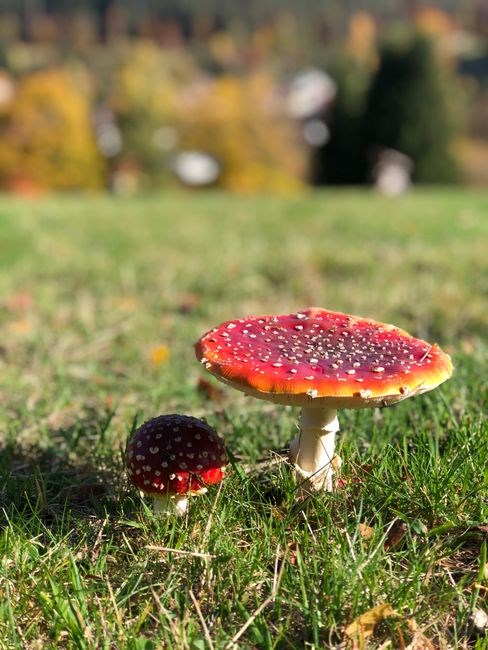
Large‚ richly illustrated volumes like the DK Mushroom Book and Life‑Size Hundred Species guide offer high‑resolution images that capture subtle color and texture differences․ These coffee‑table style books are ideal for visual comparison‚ helping users spot key traits and avoid look‑alikes․ Quick ID aid․!
4․1 DK Mushroom Book – Large hardcover with high‑quality images of worldwide species․
The DK Mushroom Book stands out as a definitive visual reference for both novice and experienced foragers․ Its 800‑page‚ 12‑inch hardcover format showcases high‑resolution photographs of over 1‚000 species from every continent‚ allowing readers to compare subtle differences in cap shape‚ gill attachment‚ and spore color․ The book’s layout is organized by family‚ with each entry featuring a full‑page image‚ a concise description of macroscopic traits‚ and a list of common look‑alikes․ In addition to the photographic plates‚ the DK guide includes a comprehensive glossary of mycological terms‚ a section on seasonal distribution‚ and a handy “quick‑look” index that lets users flip directly to the species that match their field observations․ Because the photographs are printed on archival paper‚ they retain their vibrancy for years‚ making the book a reliable reference for repeated use in the field or at home․ The inclusion of both North American and global species ensures that readers in any region can find relevant examples‚ while the clear‚ high‑contrast images help users discern key diagnostic features such as cap texture‚ stem annulus‚ and spore print color․ For those who prefer a tactile reference‚ the DK Mushroom Book’s thick binding and durable cover protect it from the damp‚ uneven terrain of forest trails․ Many foragers report that having this visual companion on hand reduces the risk of misidentification and enhances confidence when selecting edible or medicinal mushrooms․ Overall‚ the DK Mushroom Book is an essential addition to any mycologist’s library‚ bridging the gap between quick field decisions and detailed laboratory confirmation․ Collectors often note that the book’s high‑quality Its durable construction fits easily into a backpack‚ withstanding damp trails․ The high‑resolution images aid identification‚ even in light!!!
4․2 Life‑Size Hundred Species Photographic Guide – Coffee‑table style book showcasing vivid photographs․
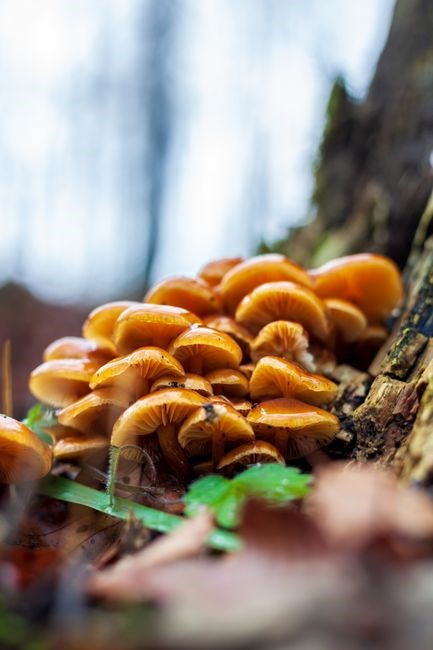
The Life‑Size Hundred Species Photographic Guide is a striking coffee‑table volume that brings the world of fungi into bright‚ life‑scale imagery․ With 300 pages of color full bleed plates each species is presented in a 12‑inch frame that captures cap texture‚ gradients‚ and bruising patterns that are often invisible in smaller prints․ The book’s layout is organized by ecological guild—saprotrophs‚ mycorrhizal partners‚ and coprophilous species—allowing readers to locate fungi that share similar habitats․ Each entry includes a field note that highlights key identification markers such as spore print color‚ gill attachment‚ and stem characteristics‚ followed by a side‑by‑side comparison with the most common look‑alikes․ The guide’s high‑resolution images are printed on matte paper to reduce glare‚ making it ideal for use under canopy of a forest or in so bright! cabin?! A built‑in index lists species alphabetically‚ while a seasonal chart helps users determine the time so of year to encounter each mushroom․ The book’s durable‚ 9‑inch hardcover protects the photographs from moisture and handling‚ and its profile fits comfortably on a coffee table or in a so backpack․ Many foragers praise the guide for its ability to bridge the gap between casual observation and scientific study‚ providing a visual anchor for field notes that can later be cross‑referenced with detailed keys․ The Life‑Size Hundred Species Photographic Guide is both an educational resource and a decorative piece that celebrates the diversity of fungi in striking‚ accessible detail․
5 Regional and Practical Use
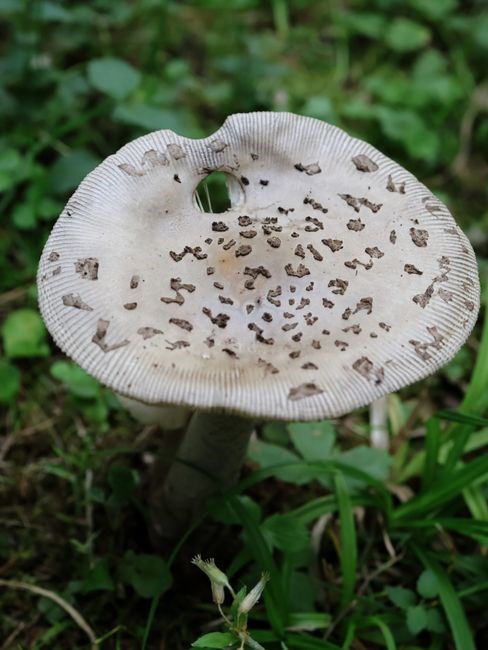
Regional guides spotlight local species‚ offering habitat clues‚ look‑alike warnings and seasonal maps․ They enable quick thumb‑checks on trails‚ reducing misidentification․ After collection‚ detailed ID at home with a comprehensive reference confirms safety today․
5․1 Importance of Regional Guides – Tailored identification of local species and lookalikes․
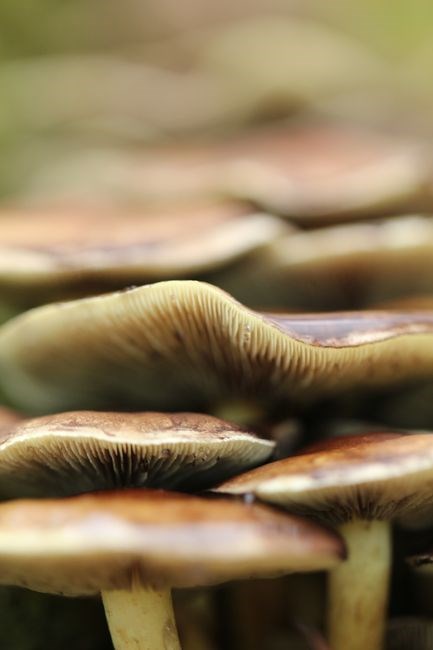
Regional field guides are indispensable for mushroom foragers because they focus on the species that actually occur in a specific area․ By concentrating on local taxa‚ these guides provide detailed descriptions of habitat preferences‚ seasonal windows‚ and subtle morphological differences that distinguish similar-looking species․ This localized knowledge dramatically reduces the risk of misidentification‚ especially in regions where multiple poisonous look‑alikes coexist․ Moreover‚ regional guides often include maps of known fruiting sites‚ photographs taken in situ‚ and notes on microhabitat cues such as soil pH‚ associated plant species‚ and canopy cover․ For beginners‚ this contextual information helps build a mental framework linking environmental conditions to fungal appearance‚ fostering safer foraging habits․ Experienced collectors benefit from the nuanced keys that separate closely related genera‚ allowing them to spot rare or endangered species that may be overlooked in broader reference books․ Additionally‚ regional publications frequently incorporate local regulations‚ conservation status‚ and ethical harvesting guidelines‚ ensuring that foragers respect protected areas and maintain ecological balance․ In sum‚ a regionally focused guide is a practical‚ reliable companion that turns the daunting task of field identification into a manageable‚ informed activity․ By integrating these region‑specific insights‚ foragers can confidently differentiate edible species from toxic look‑alikes‚ ensuring both safety and sustainable harvests․
5․2 Trailside Collection and Home ID Workflow – Collect with a simple guide‚ then ID at home using comprehensive references․
Field‑trail foraging begins with a lightweight‚ thumb‑style guide that offers quick identification cues—cap shape‚ gill attachment‚ spore color‚ and habitat notes․ While hiking‚ collect only specimens that match the guide’s key features and record GPS coordinates‚ time‚ and surrounding flora․ Store samples in breathable bags‚ keeping caps and stems separate‚ and label each with a field number․ Back at home‚ use a comprehensive reference such as Arora’s “Mushrooms Demystified” or Phillips’ regional volume․ First‚ confirm macroscopic traits: cap texture‚ color change when bruised‚ odor‚ and stem characteristics․ Next‚ perform a spore print on white paper; note the spore color and distribution pattern․ If still uncertain‚ examine microscopic features—spore ornamentation‚ cystidia‚ and basidia—using a hand lens or microscope․ Cross‑check every detail against the reference’s illustrations and descriptions․ Finally‚ verify edibility‚ noting any toxic look‑alikes‚ and discard any ambiguous specimens․
When the initial field notes are complete‚ document the specimen’s macro‑features with a camera‚ noting scale and lighting․ Collect a small portion of the flesh for a taste test—after confirming safety—to reveal flavor nuances that help confirm species․ Never consume a mushroom unless you are 100% certain of its identity․ Share findings with local mycological societies or online forums; community feedback often uncovers overlooked details and enriches collective knowledge․ Record GPS coordinates for future reference daily
6 Historical and Cultural Perspectives
For centuries‚ humans have turned to the forest floor for sustenance‚ medicine‚ and ceremony․ The earliest documented mushroom collections appear in ancient Chinese pharmacopeias‚ where the “honey fungus” was prized for its sweet‚ medicinal qualities․ In medieval Europe‚ monks cultivated truffles in cloistered gardens‚ and the first printed mushroom catalog‚ “De Fungis” (1581)‚ laid groundwork for systematic study․ The 19th‑century surge in mycological curiosity coincided with the rise of field guides‚ beginning with the pioneering work of mycologist Elias Magnus Fries‚ whose 1842 “Systema Mycologicum” introduced binomial nomenclature for fungi․ The 20th century saw the popularization of portable guides; the first printed field guide‚ “Mushrooms of the World” by Rolf Singer made identification accessible to amateurs․ In the 1970s‚ the National Audubon Society released a concise field guide‚ emphasizing quick thumb‑style keys that revolutionized trail‑side foraging․ Contemporary field guides blend high‑resolution photography with concise taxonomic keys‚ reflecting a cultural shift toward responsible‚ informed consumption․ Across cultures‚ mushroom lore persists: indigenous peoples of North America use chanterelles for ceremonial feasts; Japanese “shikishi” illustrate edible species for culinary arts․ Today‚ field guides serve not only as identification tools but also as cultural artifacts that honor the deep‚ historic relationship between humanity and fungi․ They record recipes‚ rituals‚ and warnings‚ guiding safe‚ respectful for forest wild gifts!