Explore Chapter 1 of the Bhagavad Gita through freely downloadable PDFs. Sites offer the text in PDF, TXT, or online formats, featuring Arjuna’s reluctance to fight and the moral conflict among kin. These resources highlight compassion, duty, and the epic’s foundational themes.Options include cloud links
Setting of the Battle of Kurukshetra
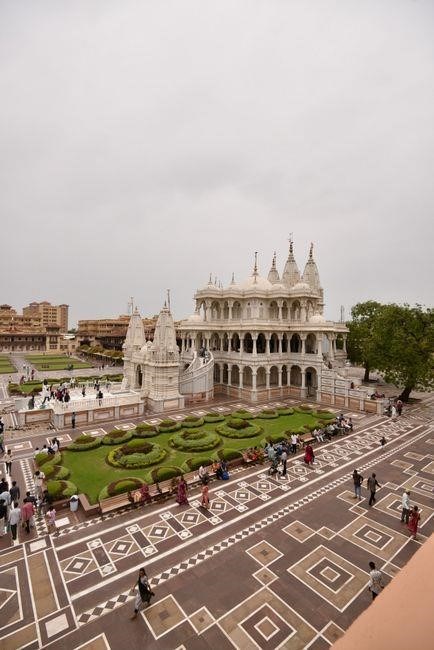
The battlefield of Kurukshetra, the ancient plains of northern India, is portrayed as a vast, open expanse where the great armies of the Pandavas and Kauravas will clash. According to the Mahābhārata narrative, the land itself is considered a sacred ground of dharma, chosen by the gods to witness the ultimate test of righteousness. In the first chapter of the Bhagavad Gita, the setting is introduced through the eyes of King Dhritarashtra, who, blind to the unfolding events, summons his charioteer Sanjaya to describe the assembly of warriors. The setting also reflects the moral complexity of the conflict, as the battlefield becomes a stage where duty (dharma) and personal attachment collide. The vivid imagery of the plains, the assembly of chariots, and the presence of divine witnesses set the stage for the profound dialogue that follows between Arjuna and Krishna, framing the epic’s exploration of duty, righteousness, and the human condition. The strategic importance of Kurukshetra is underscored by its historical role as a political and religious hub, where kings would gather to resolve disputes and uphold the social order. Thus, the setting of Kurukshetra in Chapter 1 is not merely a physical location but a symbolic stage where the cosmic drama of duty, honor, and the human psyche unfolds, inviting readers to contemplate the profound questions that will soon be posed by Arjuna to the divine charioteer. The air carries a scent of fresh earth!!!.. The clashing of swords and the echo of drums amplify the tension, making the air thick with anticipation. Sun sets, sky crimson!.
Dhritarashtra’s Question to Sanjaya
In the opening scene of the Bhagavad Gita, King Dhritarashtra, blind, turns to his charioteer Sanjaya and asks, “What are the Pandavas and Kauravas doing after assembling on the battlefield of Kurukshetra?” This question is recorded in the first chapter’s narrative and appears in freely downloadable PDFs of the text. The king’s inquiry reflects his desire to grasp the motives of the opposing forces before the war begins. Sanjaya, granted divine vision, replies with a detailed description of the assembly, the arrangement of chariots, and the positions of the warriors, explaining how both armies are preparing for combat, each side ready to uphold its duty. The exchange is pivotal, setting the stage for the philosophical dialogue that follows. By asking Sanjaya, Dhritarashtra seeks clarity and insight, hoping to prevent unnecessary bloodshed and uphold dharma. Readers can find this passage in PDF collections such as public‑domain editions hosted by the Library of Congress or modern translations on sites like sacred-texts.com. PDFs often include annotations that clarify the context, especially for students studying the text academically. The PDF format provides instant access, allowing readers to read the original Sanskrit verses alongside translations, which helps in understanding the nuances of Dhritarashtra’s question. Commentary sections in many PDFs explain the cultural and historical context, enriching the reader’s comprehension of the strategic significance of the battlefield. This clarity supports deeper study deeply. The narrative invites contemplation!!
Narrative Summary of Chapter 1
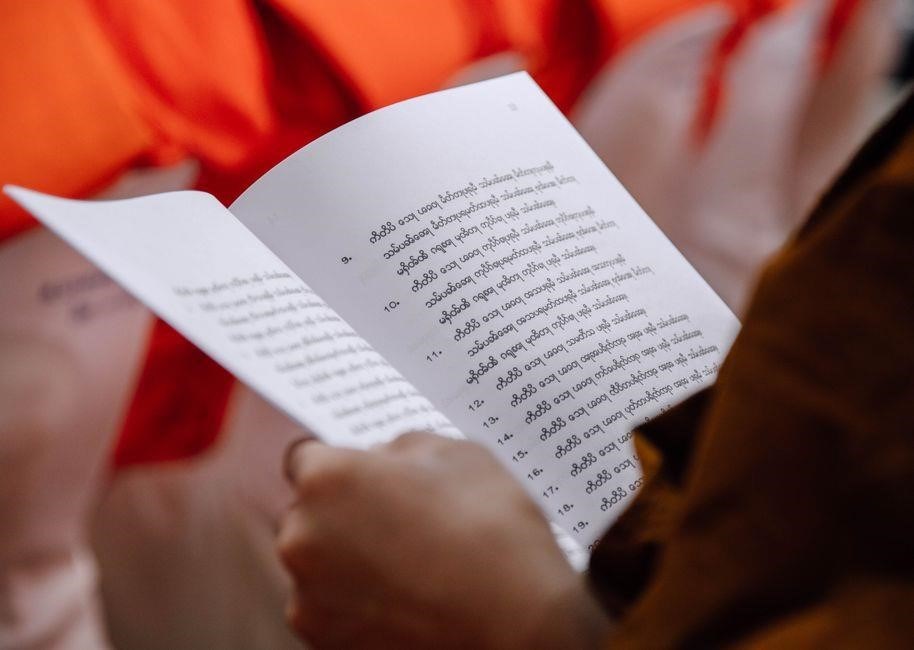
The PDF version of Chapter 1 presents the battlefield assembly, Arjuna’s hesitation, and Dhritarashtra’s query. It captures the tension as warriors line up, highlighting moral conflict and duty. Readers can download the text in PDF for study and reflection. The PDF format offers annotations and commentary for insight

Arjuna’s Emotional Turmoil
In the freely downloadable PDF of Bhagavad Gita Chapter 1, readers encounter Arjuna’s profound inner conflict as he stands before the Kurukshetra field. The text records his hesitation, rooted in deep compassion for kin, fear of severing ancestral bonds, and anxiety over committing sinful violence. He questions whether the pursuit of victory justifies the destruction of beloved relatives, expressing sorrow for the loss of shared traditions. The PDF highlights his moral dilemma, illustrating how duty (dharma) clashes with personal attachment. Scholars note that this emotional turmoil sets the stage for Krishna’s later guidance, while the PDF format allows readers to annotate and reflect on each verse. Downloading the chapter as a PDF offers a portable, searchable resource that preserves the original Sanskrit verses and their translations, enabling detailed study of Arjuna’s psychological struggle and the ethical questions it raises. The PDF version also contains marginal notes that illuminate Arjuna’s psychological state, illustrating how his hesitation embodies the tension between personal attachment and the broader duty to uphold righteousness. Users can annotate each verse, compare multiple translations, and access cross‑references to commentaries by renowned scholars. The digital format preserves the original Sanskrit script and its phonetic nuances, making it a valuable tool for linguistic study. By downloading the chapter as a PDF, students and devotees alike can engage in reflective practice, discuss ethical dilemmas in group settings, and archive the text for future research. The PDF’s compact size ensures quick download, while its compatibility with PDF readers allows seamless reading on any device, enhancing accessibility for all audiences. Enjoy.
The Assembly of the Pandavas and Kauravas
In the PDF of Bhagavad Gita Chapter 1, the narrative opens with a vivid depiction of the grand assembly on the plains of Kurukshetra. The text records the gathering of the Pandava and Kaurava armies, each side arrayed in elaborate armor, banners fluttering, and the air thick with anticipation. The PDF provides Sanskrit verses alongside English translations, allowing readers to observe the precise wording that describes the formation of the two camps, the positioning of chariots, and the rites performed before the clash. Scholars note that the assembly scene sets the stage for the moral conflict that follows, highlighting the tension between duty and compassion. The PDF format preserves the layout of the manuscript, including line breaks and punctuation, which aids in understanding the rhythm of the verses. Users can annotate the PDF to mark key phrases such as “the great assembly” and “the battlefield of Kurukshetra.” The assembly is described as a moment of both grandeur and foreboding, with the king’s court, the princes, and the warriors all present in a single, unified tableau. The PDF also contains footnotes from classical commentators that explain the significance of each troop’s arrangement, the symbolic meaning of the battlefield’s geography, and the cultural context of the war. By downloading this chapter as a PDF, readers gain a portable, searchable resource that can be consulted offline, annotated, and shared with study groups. The digital format ensures that the text remains accessible to scholars, students, and devotees worldwide, preserving the rich tradition of the Bhagavad Gita for future generations.

Key Characters Introduced in Chapter 1
Arjuna, the valorous archer, confronts a moral crisis, while Krishna, though not yet appearing, is referenced as a guiding coach. The PDF highlights their roles, setting the stage for the epic debate on duty and compassion. Arjuna’s doubts echo Krishna lingers
Arjuna – Warrior’s Conflict
Arjuna’s dilemma, captured in the first chapter’s PDF, unfolds as a profound moral crisis. He stands on the battlefield’s threshold, his bow poised, yet his heart trembles with compassion for kin who would become enemies. The downloadable text records his inner voice: “I cannot, O Krishna, strike my own relatives; the thought of killing them evokes sorrow and a sense of sin.” He fears the loss of joyous family traditions and the erosion of dharma if he were to act as a warrior. The PDF emphasizes that his hesitation stems not from cowardice but from a deep ethical awareness that killing even loved ones violates the sanctity of life. Scholars note that this moment marks the beginning of the epic’s exploration of duty (dharma) versus personal conscience. The PDF’s annotations highlight how Arjuna’s conflict reflects the larger philosophical debate that Krishna will later resolve, setting a tone of introspection for the entire dialogue. The text’s accessibility in PDF format allows readers worldwide to examine this pivotal scene, ensuring that the warrior’s struggle remains a central point of study in both classical and contemporary interpretations of the Bhagavad Gita. The PDF also provides commentary on the cultural context of the Mahabharata, noting how Arjuna’s reluctance mirrors societal expectations of a warrior’s duty. It points out that the battle’s setting, Kurukshetra, is symbolic of the inner battlefield of human consciousness. Readers can cross‑reference verses with traditional commentaries, deepening their understanding of the text’s layered meanings. The PDF’s layout is user-friendly and clear headings.
Krishna – Mentioned as Coach (but not yet appear)
In the first chapter’s PDF, Krishna’s presence is felt through subtle references rather than direct dialogue. The text notes that the divine guide is “present in the background, guiding the Pandavas’ strategy and preparing to intervene.” Scholars highlight that this early mention sets the stage for Krishna’s later role as Arjuna’s charioteer and spiritual mentor. The PDF’s commentary explains that Krishna’s identity as a coach is implied through the mention of “a divine voice that will later instruct the warrior.” The downloadable format allows readers to see that Krishna is acknowledged as an unseen force, a mentor who will soon step onto the battlefield to resolve the moral conflict. The PDF also cites traditional commentaries that emphasize Krishna’s role as a teacher of dharma, even before he speaks. This foreshadowing is crucial for understanding the subsequent philosophical discourse. The text’s layout includes footnotes that reference the Bhagavad Gita’s own verses, ensuring that readers can cross‑check the subtle allusions. By keeping Krishna’s appearance in the background, the PDF preserves the narrative tension, allowing the reader to anticipate the divine intervention that will transform the war’s ethical landscape. The PDF’s accessibility encourages deeper study of Krishna’s preparatory role, making it a valuable resource for scholars and devotees alike.

Major Themes in Chapter 1
PDFs of Chapter 1 highlight compassion, duty, and moral dilemma. Arjuna’s hesitation reflects the conflict between familial love and righteous warfare. The text emphasizes the importance of self‑discipline and the burden of action, setting the stage for Krishna’s guidance.
Compassion and Moral Dilemma
In Chapter 1 of the Bhagavad Gita, freely downloadable PDFs capture Arjuna’s profound emotional turmoil as he faces the battlefield of Kurukshetra. The text portrays his deep compassion for his relatives—kings, princes, and elders—who would be slain by his own hands. This compassion is not a mere sentimental feeling; it represents a moral dilemma that challenges the very essence of dharma. Arjuna questions whether it is right to kill kin, fearing the loss of lineage, honor, and the sanctity of family bonds. The PDFs emphasize that this dilemma is central to the narrative, setting the stage for the philosophical dialogue that follows. Readers can access the PDF to see how the verses articulate the conflict between personal affection and the duty of a warrior. The moral tension is further illustrated by Arjuna’s fear of committing sin, as killing a relative is considered a grave transgression. The PDF excerpts provide context for the ensuing debate, highlighting the tension between compassion and the obligation to uphold righteousness. This theme invites readers to reflect on the complexity of moral choices in life and the importance of balancing empathy with duty.
The PDF format allows readers to annotate, highlight, and cross‑reference verses, making it easier to study the emotional context. Scholars often use the digital version to compare translations, note variations in wording, and track how the narrative shifts from hesitation to philosophical inquiry. Such tools deepen understanding of the text’s moral fabric!
Duty and Responsibility (Karma)
Arjuna’s hesitation in the first chapter is not only an emotional outcry but also a profound inquiry into the nature of duty. The freely downloadable PDF of Bhagavad Gita Chapter 1 presents the warrior’s internal debate: should he obey the cosmic law of action (karma) or surrender to compassion? The text emphasizes that every action carries a karmic consequence, and that a warrior’s duty (svadharma) is to fight for righteousness, even when the opponent is kin. The PDF allows readers to see how the verses articulate the tension between personal desire and the universal obligation to uphold dharma. Scholars note that the chapter sets the stage for the philosophical discourse that follows, where Krishna elaborates on the concept of selfless action. The PDF’s annotations help trace the evolution of the idea that duty is performed without attachment to results, a key teaching that will be explored in later chapters. By studying the PDF, readers can compare different translations, observe variations in wording, and understand how the concept of karma is introduced in the context of a battlefield. The chapter’s emphasis on duty invites reflection on how one balances personal relationships with larger societal responsibilities, a theme that resonates across cultures and eras.
The PDF format also offers cross‑reference tables linking verses to commentaries, letting readers trace ancient scholars’ interpretations of the duty dilemma. Users find that annotating PDFs with highlights deepens engagement, marking passages where duty clashes with affection. This feature aids philosophy students, comparing the Gita’s stance with modern ethics, and encourages reflection on how duty shapes personal and societal choices today!!

PDF Resources and Availability
Free PDFs of Bhagavad Gita Chapter 1 are hosted on sites like Project Gutenberg, Sacred Texts, and PDF Drive. Users can download or view online, with options for PDF, TXT, or EPUB. Ensure compliance with copyright terms before sharing or printing. Download PDFTXTEPUB.
Free Download Sites for Bhagavad Gita Chapter 1 PDF
Several reputable platforms offer free access to the Bhagavad Gita Chapter 1 in PDF format, catering to scholars, students, and casual readers alike. The most widely used sites include Project Gutenberg, which hosts a public‑domain version of the text in multiple languages; Sacred Texts, which provides a downloadable PDF alongside an online reader; and PDF Drive, a searchable repository that aggregates user‑submitted copies of the chapter. Additionally, the official website of the International Bhagavad Gita Foundation offers a high‑resolution PDF that can be downloaded after a brief email registration. For those who prefer a more academic source, the Digital Library of the University of Bangalore hosts a PDF version annotated by Dr. Giridhar Boray, which is freely available to the public. Each of these sites ensures that the PDF is available for instant download, with no hidden fees or subscription requirements. Users should verify the authenticity of the file by checking the digital signature or the source URL, especially when downloading from third‑party repositories. By utilizing these free resources, readers can study the opening chapter’s philosophical context, narrative structure, and moral dilemmas without incurring any cost. To download, click the “Download PDF” button, which initiates a transfer. The file size ranges from 200 KB to 1 MB, depending on commentary and images. Most sites provide a compressed ZIP archive for bandwidth savings. After downloading, readers open the PDF with any viewer such as Adobe Reader or Foxit. If the file fails to open, try refreshing or clearing the cache. For mobile users, view the PDF on iOS, Android, or e‑reader devices. Enjoy the study and share responsibly. These resources are freely available under domain or Commons. Thank you!!
Licensing and Legal Considerations for PDF Use

When accessing Bhagavad Gita Chapter 1 PDFs, users must be aware of copyright status, public‑domain claims, and licensing agreements that govern distribution. The original Sanskrit text dates to the 2nd century BCE and is in the public domain worldwide; however, modern translations, commentaries, and editorial revisions are typically protected by copyright. Many online repositories provide PDFs under Creative Commons licenses (CC‑BY, CC‑BY‑SA, or CC‑BY‑NC), which allow free use provided attribution is given, and in some cases, derivative works must be shared under the same terms. If a PDF is labeled “Public Domain” or “Open Source,” it can be freely copied, modified, and redistributed without restriction, though it is still good practice to cite the source. Conversely, PDFs that include editorial notes, images, or translations may be subject to exclusive rights; downloading or sharing such files without permission could violate copyright law. Users should check the file’s metadata or accompanying license statement before use. For academic or commercial projects, it is advisable to obtain explicit permission from the publisher or translator, especially if the PDF contains non‑public‑domain content. Some institutions provide licensed copies through library subscriptions; these copies are legally protected and should not be shared publicly. When citing the Bhagavad Gita in research, the original Sanskrit verses can be quoted freely, but translations should be cited according to the translator’s guidelines. Finally, many free‑download sites rely on user‑generated content; the legality of these files can be uncertain, so verifying the source’s authenticity and the license is essential. By respecting these legal frameworks, users can enjoy the text responsibly and avoid infringement. Digital rights management (DRM) is rarely applied to PDF versions of the Bhagavad Gita, but some publishers embed restrictions that prevent printing or copying. Users should be cautious when using such PDFs, as removing DRM may be illegal. Additionally, the Indian Copyright Act 1957 protects literary works for 60 years after the author’s death; translations created after 1997 may still be under copyright. Therefore, even though the original text is public domain, a modern translation published in 2005 remains protected until 2065. When sharing PDFs, always check the publication date and the translator’s name. If the PDF includes commentary by a living scholar, that commentary is also protected. For personal study, scanning or photocopying a limited number of pages may be permissible under the “fair use” doctrine in some jurisdictions, but distributing copies beyond that scope is prohibited. In summary, always verify the license, respect attribution, and avoid commercial use unless you have secured rights. This ensures compliance with international copyright law and supports the creators who bring the ancient wisdom to modern audiences.